October 2026
Hydref - Cawl Flowers and Magical Remedies
Melyn Mair / Pot Marigold / Calendula officinalis
Welsh common names: Melyn Mair, Blodau Cawl, Swyn-ystres, Rhuddos
English common names: Pot Marigold
Scientific name: Calendula Officinalis
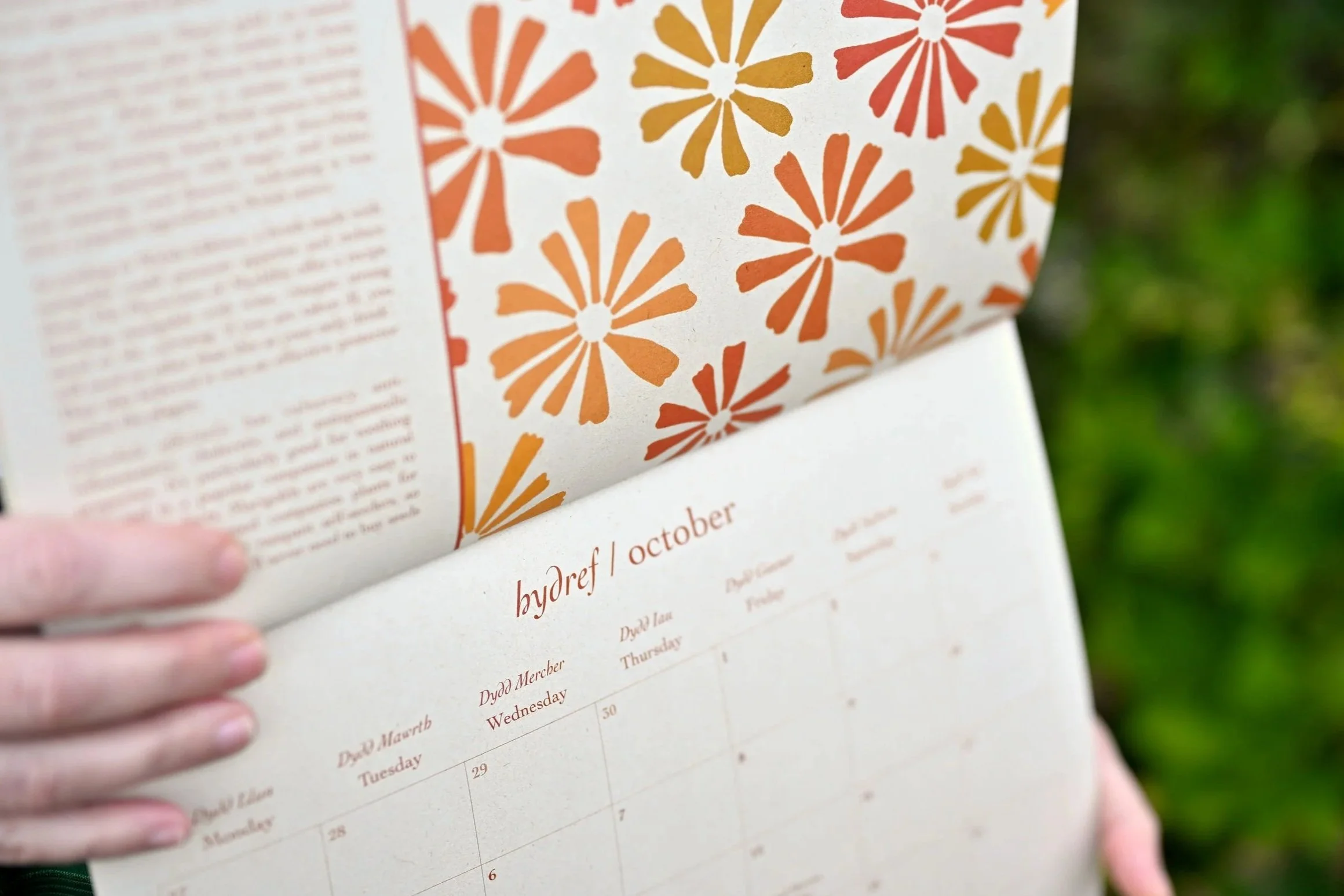
For the rest of the year, I’m writing about a different herb in Welsh language and lore as featured in my Welsh Herbal Calendar, now available to buy on my website.
Hydref - Welsh for October and autumn in general - is one of my favourite Cymraeg words. Formed of hydd, meaning ‘stag’, and bref, meaning ‘bellow’, it literally translates to ‘stag’s bellow’, describing the time of year when the animal’s mating calls can be heard from deep within the marcescent woods.
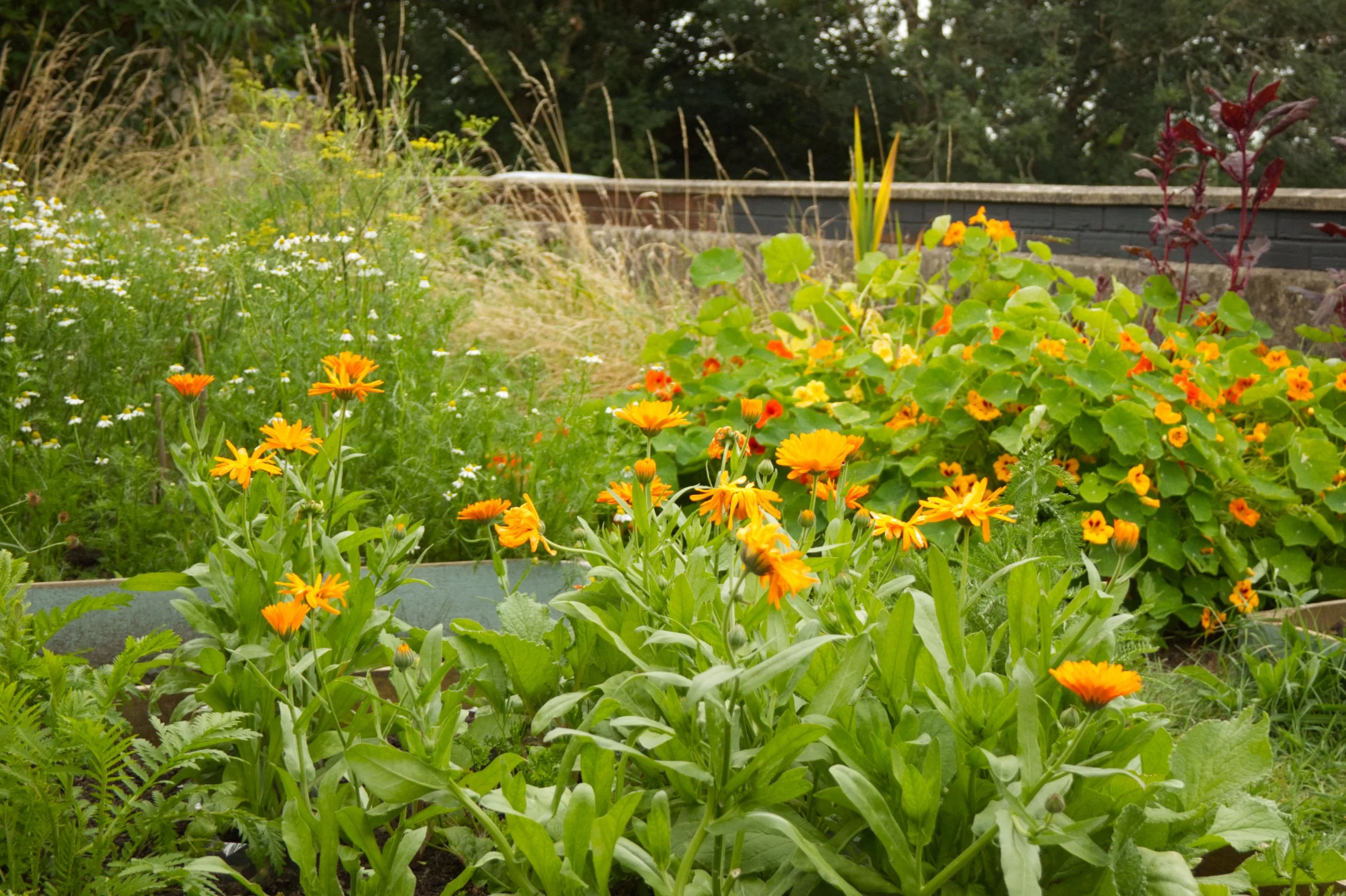
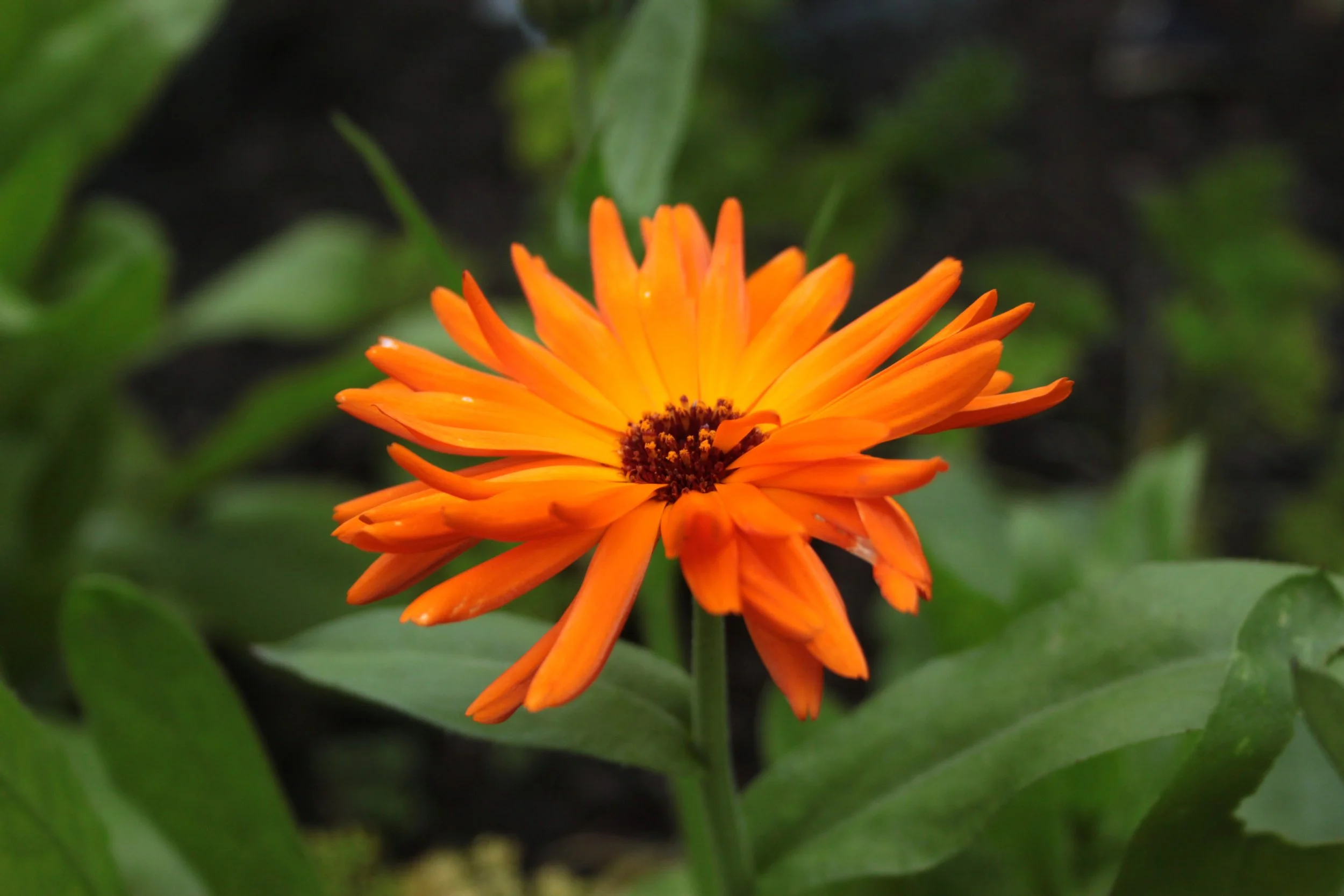
I chose to illustrate Hydref with Pot Marigolds initially for the colour; one of the plant’s Welsh names is Rhuddos, meaning red or tawny, describing both the warm autumnal shades the flowers display as well as the colours imparted from their dye. But there are a couple of other associations the plant has with this time of year, as well as often still being in bloom throughout the season.
Cawl Flowers
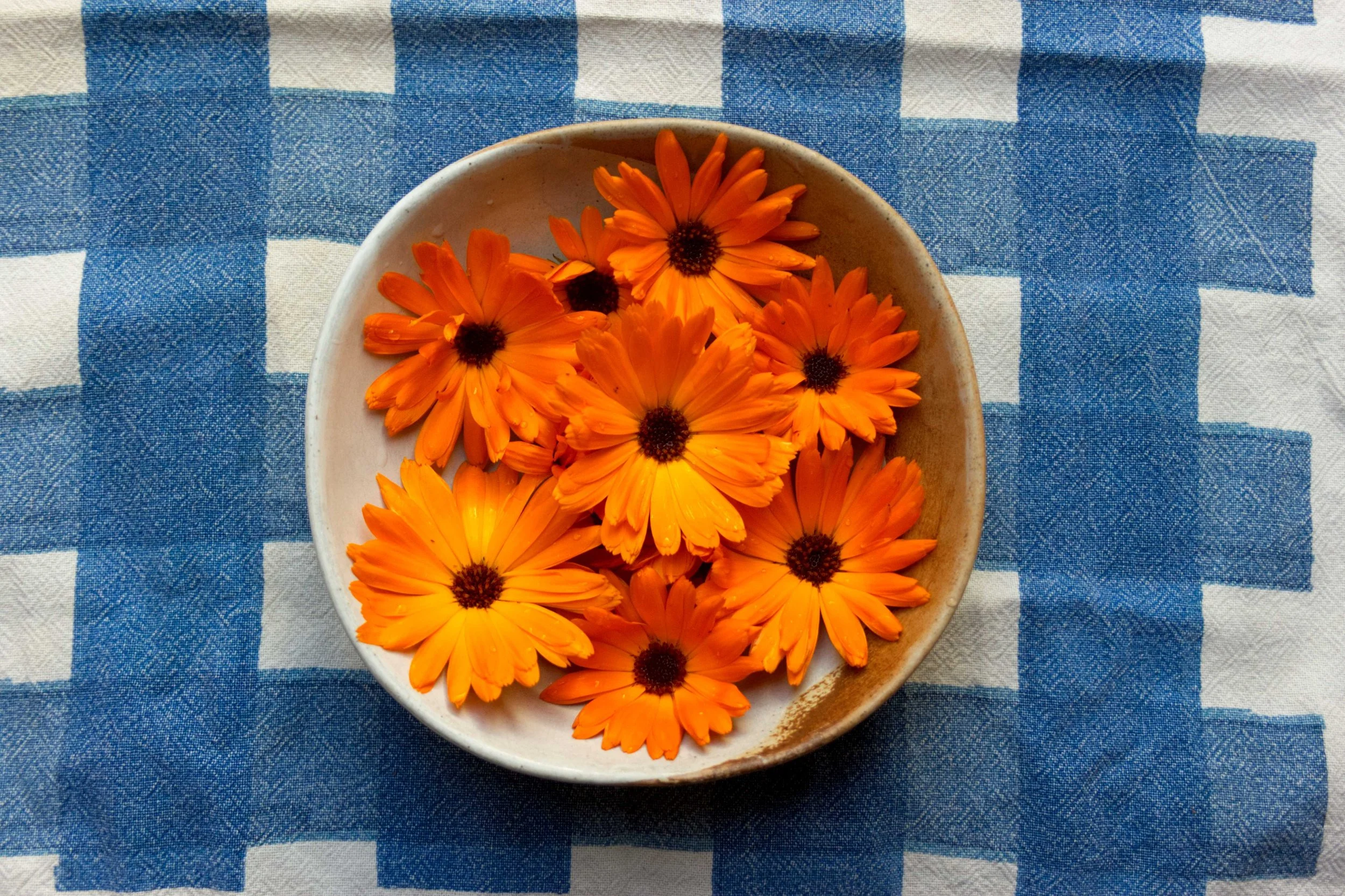
Cultivated in gardens since the Middle Ages, Pot Marigolds grow wild in the south of Britain and across Europe. Named after the cooking pot, the vivid flower heads have long been used as a cheaper substitute for Saffron and as a natural colourant in many kinds of food, including cheese, eggs, and baked goods.
While researching the plant, I was surprised (and delighted) to discover that one of its lesser-known Welsh names is Blodau Cawl, meaning ‘Broth Flowers’. Though no longer a common ingredient in the Welsh national dish, at least one old Cymraeg recipe includes a sprinkling of Marigold petals, adding a mild, tangy flavour to the liquid. 1
A staple of Welsh farm houses for the colder months, different types of Cawl are described in S. Minwel Tibbott’s 1976 book on traditional recipes: 2
Cawl (broth) was the dish most commonly served for dinner on the farm during the winter months and it was regarded as a very nutritious meal. It was served in wooden bowls and eaten with wooden spoons. Apple dumplings and oatmeal trollies were sometimes boiled in the broth along with the meat and vegetables. Pren-gwyn, Cardiganshire.
Cawl Awst (literally ‘August Broth’) was the best broth of the year when a wide variety of fresh garden vegetables were available. A feast known as Cawl Awst was held, primarily for sailors, on New Quay beach on the first day of August. The broth, boiled in a large cauldron, would be prepared under the supervision of one woman and most families in the neighbourhood would supply the required meat (fresh beef occasionally) and vegetables. New Quay, Cardiganshire.
Cawl ffwt a berw (literally ‘short-boiled broth’). This particular name was given to the broth that was prepared rather hurriedly by cutting the meat and vegetables into small pieces and boiling them all together until they were cooked. Tre-lech, Carmarthenshire.
Cawl pen lletwad (literally ‘ladle’s head broth’) was the name given to a vegetable broth prepared only when meat was in short supply. Cwm-bach, Carmarthenshire.
Cawl twymo (literally ‘warmed broth’). It was generally the custom to reheat the broth that was left over from the mid-day meal and to serve it for supper on the same day, or for lunch on the following day. Pren-gwyn, Cardiganshire.
According to Welsh folklorist Marie Trevelyan, a broth made with Marigolds could promote appetite and induce drowsiness. What could be more perfect for autumn than hearty bowls of Cawl to nourish you and then send you to sleep?
Magical Remedy
As we approach Nos Galan Gaeaf on the 31st - the last and strangest of Y Tair Ysbrydnos; the Three Spirit Nights in Welsh folklore - another of Pot Marigold’s Cymraeg names seems especially pertinent: Swyn-ystres (also spelled Swyn-esgras). Translating the latter parts of the names has proven tricky (if anyone has any suggestions I’d love to know!), but swyn can mean spell, witchcraft, magic remedy or healing charm 3. This intriguing name indicates the flower once held a past role in mystical activities, perhaps because of spiritual associations with the plant, and/or its seemingly magical array of medicinal uses and healing powers.
Calendula officinalis has vulnerary, anti-inflammatory, lymphatic, anti-fungal, anti-microbial and alterative properties. It’s particularly good for soothing skin and is a popular ingredient in natural skincare products, used topically to treat eczema, acne, psoriasis and other conditions. The flowers can also be infused and drunk as a tea to boost lymphatic flow, rid the body of toxins and improve skin health; especially helpful during the winter months when skin is exposed to dehydrating cold winds and central heating 4.
Medieval Herbalists The Physicians of Myddfai state:
Take marigold, pound well with good wine, vinegar, strong mead, or strong old ale. Strain carefully, and drink a good draught in the morning fasting, whilst the pestilence lasts. If you are taken ill, you need no other than this as your only drink. It is a good preservative against the foreign pestilence, called the plague. 5 6
Flower of the Dead
The densely-petalled, cushion-like Marigolds of the Tagetes genus aren’t actually related to Calendula officinalis, although they share the same English common name. Native to Central America and introduced to Britain in the 16th century, they became a popular garden plant, perhaps confused with the European Marigold at some point because of their similar appearance.
Every year, the full, bright blooms of Tagetes erecta fill the homes, streets and graveyards of Mexico on the 1st and 2nd of November as the main botanical element of Dia de los Muertos (Day of the Dead) celebrations. Originally named cempōhualxōchitl by the Nahua people (meaning twenty petals), and presently called ‘cempasúchil’ in Mexico, the flowers adorn family altars and tombstones; their strong scent and colour believed to guide the souls of the departed to personalised offerings of food and drink. 7
In the Garden
Pot Marigolds are rampant self-seeders and are so easy to grow that they basically grow themselves. They are excellent companion plants for vegetables and an invaluable member of organic gardens as they attract aphid-eating insects. The flowers are loved by bees and other pollinators, and serve as a larval food plant for Cabbage, Gothic, Large Yellow Underwing and Setaceous Hebrew Character moths.
The English name Marigold derives from ‘Mary’s Gold’, so named after the Virgin Mary, who supposedly wore a crown of Calendula flowers and / or used the flower buds as a form of currency. In the warm autumn light it’s easy to see the resemblance to gold as the petals glimmer in the sun - and their value is just as precious - imparting much needed flavour, sustenance, remedies, ritual and colour into the darkening days.
*Disclaimer: Any herbal remedies mentioned above should be practiced with caution if you are new to herbalism. Always do your research and consult a medical professional before consuming herbs if you are taking medication, have a health condition, or are pregnant/breastfeeding.
All images by Esther Williams unless stated otherwise. No AI generated content is used in my work.
Footnotes
1 Source: https://www.nationalgeographic.com/travel/article/paid-content-deconstructing-cawl-hearty-welsh-stew
2 Source: https://museum.wales/collections/welsh-foods/?id=1
3 Source: https://geiriadur.ac.uk/gpc/gpc.html
4 Source: The Handmade Apothercary by Vicky Chown and Kim Walker
5 I don’t know if there is any evidence that Calendula had any effect in deterring the plague
6 Quote source: https://archive.org/details/b2475769x/page/418/mode/2up?q=marigold. I haven’t tried this Medieval recipe so can’t recommend it - do so at your own risk.
7 Source: https://thursd.com/articles/day-of-the-dead-celebration
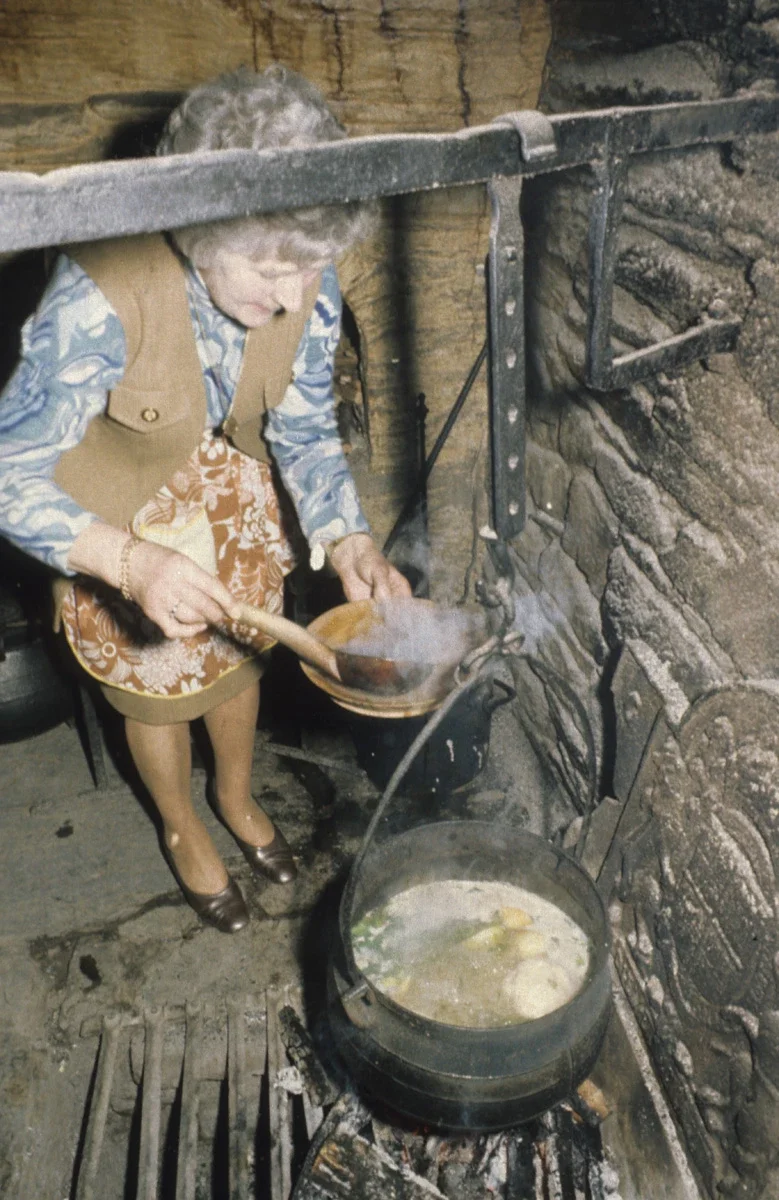
Mary Howells preparing Cawl, 1976. Image source: https://museum.wales/collections/welsh-foods/?id=1
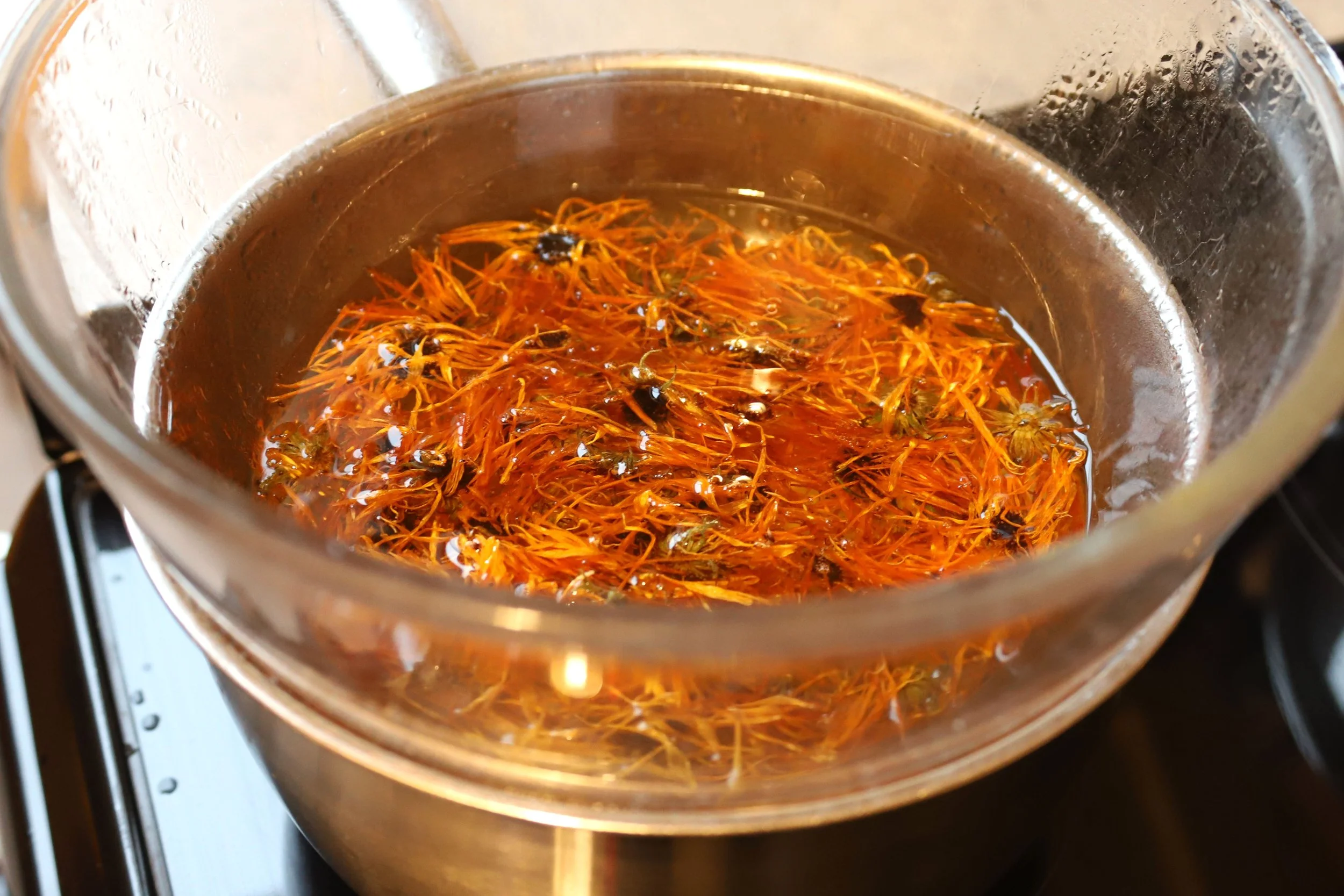
Dried Calendula officinalis flowers infusing into jojoba oil which, once strained and cooled, can be applied to skin to help heal minor wounds or other complaints.

By Jaredzimmerman (WMF) - Own work, CC BY-SA 3.0, https://commons.wikimedia.org/w/index.php?curid=33919535 By Thayne Tuason

By Thayne Tuason - Own work, CC BY 4.0, https://commons.wikimedia.org/w/index.php?curid=121435314